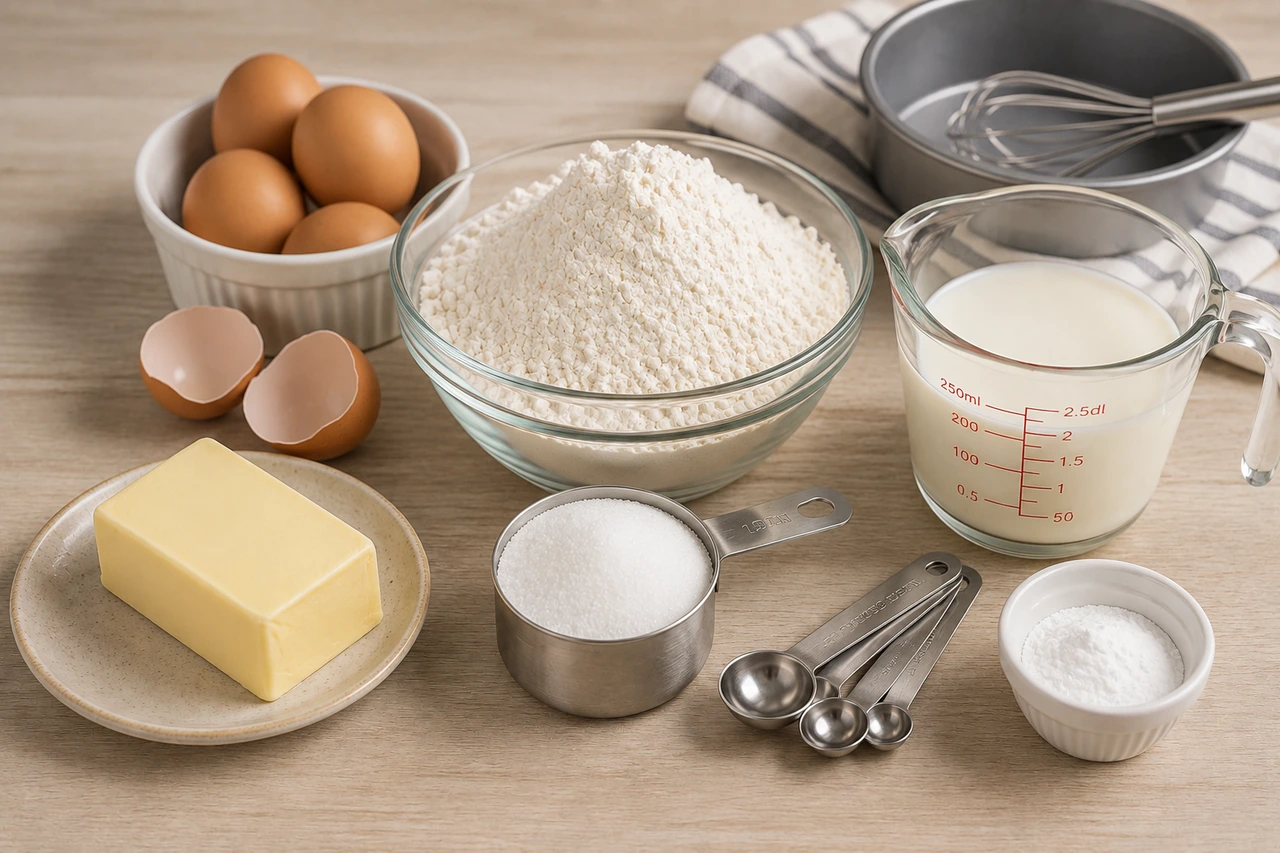
Baking at home can be fun, but sometimes even a simple recipe does not turn out the way you expected. A cake may sink in the middle, cookies may spread too much, or bread may not rise properly. These problems can be frustrating, especially when you have followed the recipe.
The good news is that most common baking mistakes are easy to understand and avoid. Baking is a skill, and small details such as measuring ingredients, oven temperature, mixing time, and cooling can make a big difference.
If you are a beginner baker, learning these mistakes can help you get better results and feel more confident in the kitchen. In this guide, we will cover some of the most common baking problems and explain simple ways to avoid them. common baking mistakes,
Why Baking Mistakes Happen
Baking depends on balance. Flour, sugar, eggs, butter, milk, and other ingredients all have a specific job. When you change the amount of an ingredient or use the wrong method, the final texture can change.
Unlike cooking, baking does not always allow you to fix a recipe while it is cooking. That is why preparation is important.
Before starting any recipe, read the instructions carefully, prepare your ingredients, and make sure your oven is ready.
1. Not Measuring Ingredients Correctly
One of the biggest baking mistakes is using the wrong amount of an ingredient.
Adding too much flour can make cakes and cookies dry. Too much liquid can make batter too thin. Extra sugar can affect the texture and browning.
For the best results, measure ingredients carefully.
A kitchen scale is one of the most accurate tools because it measures ingredients by weight. If you use measuring cups, use the correct method for each ingredient.
For flour, use the spoon-and-level method. Lightly spoon flour into a dry measuring cup and level the top with a knife.
Do not press flour down into the cup unless the recipe specifically tells you to.
2. Not Reading the Recipe First
Starting to bake before reading the entire recipe can lead to unnecessary mistakes.
Some recipes require ingredients to be at room temperature. Others may require dough to chill or a cake pan to be prepared before mixing.
Read the full recipe before you start.
Make a quick list of the ingredients and tools you need. This simple step can make the whole process easier.
3. Using the Wrong Oven Temperature
Your oven temperature has a major effect on baking.
If the oven is too hot, the outside of a cake may cook quickly while the center remains undercooked. Cookies may also become dark before they are ready.
If the oven is too cool, baked goods may take too long to cook and may not rise properly.
Always preheat your oven to the temperature given in the recipe.
If you bake often, an oven thermometer can also be useful because the actual temperature inside an oven may sometimes be different from the number shown on the display.
4. Opening the Oven Door Too Often
It is tempting to open the oven door and check your cake every few minutes.
However, opening the door allows hot air to escape. This can cause the oven temperature to drop suddenly.
Cakes and other delicate baked goods can be especially sensitive to temperature changes while they are rising.
Try to keep the oven door closed until the recipe is close to its suggested baking time.
When it is time to check the cake, insert a toothpick into the center. If it comes out clean or with a few moist crumbs, the cake is usually ready.
5. Overmixing the Batter
Overmixing is another common problem, especially when making cakes and muffins.
Once flour is added to the wet ingredients, mix only until everything is combined.
Too much mixing can develop gluten and make some baked goods dense, tough, or chewy.
When a recipe says to fold ingredients together, use a spatula and gently mix until the ingredients are incorporated.
You do not need to beat the batter for a long time after adding flour.
6. Using Cold Ingredients When the Recipe Needs Room Temperature Ingredients
Some recipes work best when ingredients such as butter, eggs, and milk are at room temperature.
Cold ingredients may not combine properly, especially when making cakes.
For example, softened butter can mix more easily with sugar and create a smoother mixture.
However, do not assume every ingredient should be warm. Some recipes specifically require cold butter or chilled dough.
Always follow the recipe instructions.
7. Using Expired Baking Powder or Baking Soda
Baking powder and baking soda help baked goods rise.
If these ingredients are old or have lost their strength, your cake, muffins, or cookies may not rise properly.
Check the dates on your baking ingredients and store them in a cool, dry place.
You should also measure them carefully. Adding more does not necessarily make a cake rise higher. Too much can create an unpleasant taste and affect the texture.
8. Using the Wrong Baking Pan
The size and type of pan can change how quickly a recipe cooks.
If you use a smaller pan than the recipe recommends, the batter may be deeper and take longer to bake.
A larger pan can create a thinner layer that cooks more quickly.
Whenever possible, use the pan size listed in the recipe.
Prepare the pan correctly as well. Depending on the recipe, you may need to grease it, line it with parchment paper, or dust it with flour.
9. Overfilling the Baking Pan
Do not fill cake or muffin pans all the way to the top.
Batter needs space to rise as it bakes.
Overfilled pans can cause batter to spill over the sides and create an uneven shape.
As a general rule, many cake and cupcake recipes work well when the pan is filled to around two-thirds full, although you should follow the specific recipe instructions.
10. Forgetting to Preheat the Oven
Putting your baked goods into a cold oven can change the cooking process.
The recipe’s baking time is normally based on a fully preheated oven.
Always allow the oven to reach the required temperature before putting your cake, cookies, or other baked goods inside.
This small step can help you get more predictable results.
11. Baking for Too Long
Even a good recipe can become dry if it stays in the oven too long.
Start checking your baked goods near the lower end of the recommended baking time.
For cakes, use a toothpick or cake tester.
For cookies, remember that they may look slightly soft when they first come out of the oven. They often continue to firm up as they cool.
Do not wait for cookies to become completely hard in the oven.
12. Not Allowing Baked Goods to Cool
Cooling is an important part of baking.
A freshly baked cake may still be delicate when it comes out of the oven. Moving it too soon can cause it to break.
Allow cakes to cool in the pan according to the recipe instructions before transferring them to a cooling rack.
Cookies can also benefit from a few minutes on the baking sheet before being moved.
Cooling helps the structure become more stable and makes decorating or slicing easier.
13. Changing Too Many Ingredients at Once
Experimenting with recipes can be fun, but changing several ingredients at the same time can cause problems.
For example, replacing the flour, sugar, butter, and milk in one recipe may completely change the texture.
If you want to make a recipe your own, start with small changes.
Try adding chocolate chips, cinnamon, nuts, or a different topping before making major ingredient substitutions.
Once you understand how baking ingredients work, you can experiment more confidently.
14. Using Too Much Flour When Rolling Dough
When making cookies or pastry, it can be tempting to add lots of flour to prevent sticking.
However, extra flour can make the finished dough dry or tough.
Use only enough flour to prevent sticking.
You can also use parchment paper or lightly flour your work surface instead of adding large amounts of flour.
15. Not Following the Recipe Order
The order in which ingredients are added can matter.
For example, a cake recipe may ask you to cream butter and sugar first, then add eggs, followed by dry ingredients.
This process helps create the desired texture.
Do not combine everything in one bowl unless the recipe specifically says to do so.
Follow each step in order for more reliable results.
How to Become a Better Baker
The best way to improve your baking skills is to practice.
Start with simple recipes and make the same recipe more than once. common baking mistakes, Take notes about what worked and what did not.
If your cake is dry, think about whether you used too much flour or baked it too long.
If cookies spread too much, check the butter temperature, flour measurement, and dough chilling instructions.
Small observations can teach you a lot.
Do not worry if your first few attempts are not perfect. Every baker makes mistakes. The important thing is to learn from them.
Final Thoughts
Understanding common baking mistakes and how to avoid them can make baking much easier. Accurate measurements, the correct oven temperature, proper mixing, fresh ingredients, and enough cooling time can all help improve your results.
The most important thing is to slow down and follow the recipe carefully. common baking mistakes, Prepare your ingredients before you begin, use the correct tools, and avoid making unnecessary changes.
With practice, you will start to understand how different ingredients and techniques affect your baked goods. Soon, cakes, cookies, muffins, and other desserts will become easier to make.
Remember that perfect baking does not happen overnight. Keep practicing, learn from each result, and enjoy the process.
Happy baking from Bake With Sunny!
Easy Vanilla Cake Recipe for Beginners | Bake With Sunny
How do you handle and store eggs safely?